What was still ten years ago a niche product for the designated driver or the occasional health enthusiast has today become mainstream.
Alcohol-free beer is no longer a compromise, but a deliberate choice for taste, image, and revenue.
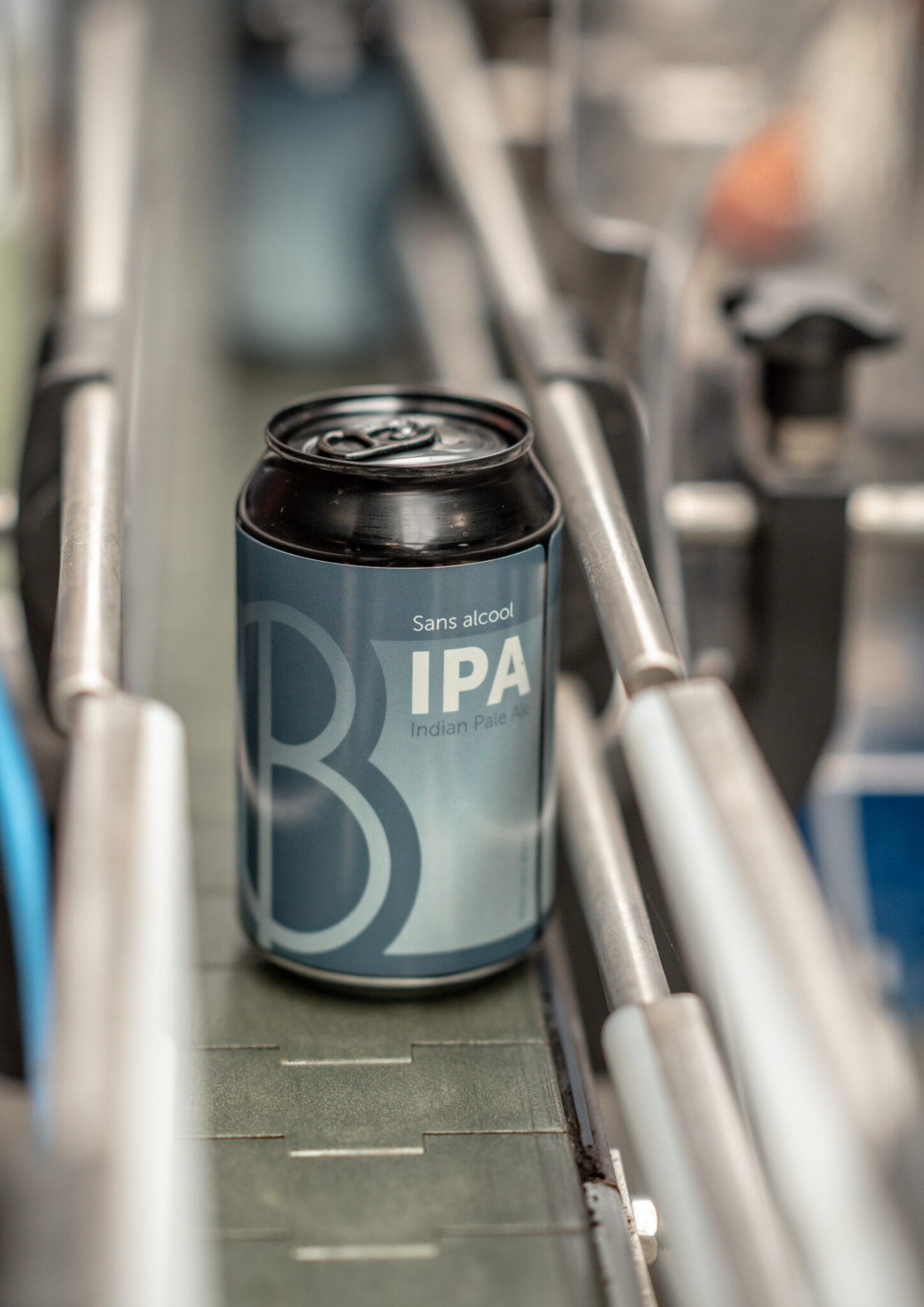
What was still ten years ago a niche product for the designated driver or the occasional health enthusiast has today become mainstream.
Alcohol-free beer is no longer a compromise, but a deliberate choice for taste, image, and revenue.
At Belgian Contract Brewery (BCB), we see that the demand for high-quality alcohol-free beer is exploding. But how do you brew an alcohol-free beer without compromising its character? In this guide, we dive deep into the technology, the market, and the opportunities for your beer brand.

The numbers don’t lie: the market for alcohol-free and low-alcohol beer is growing by double digits every year. Consumers are becoming more health-conscious, yet still want to enjoy the experience of a good glass of beer. By offering an alcohol-free variant, you not only expand your market but also strengthen your image as an innovative brand.
Whether it’s about responding to campaigns like Dry January or Tournée Minérale, or simply offering an alternative on a sunny terrace: alcohol-free belongs in every portfolio.
At BCB, we combine brewing tradition with modern biotechnology.
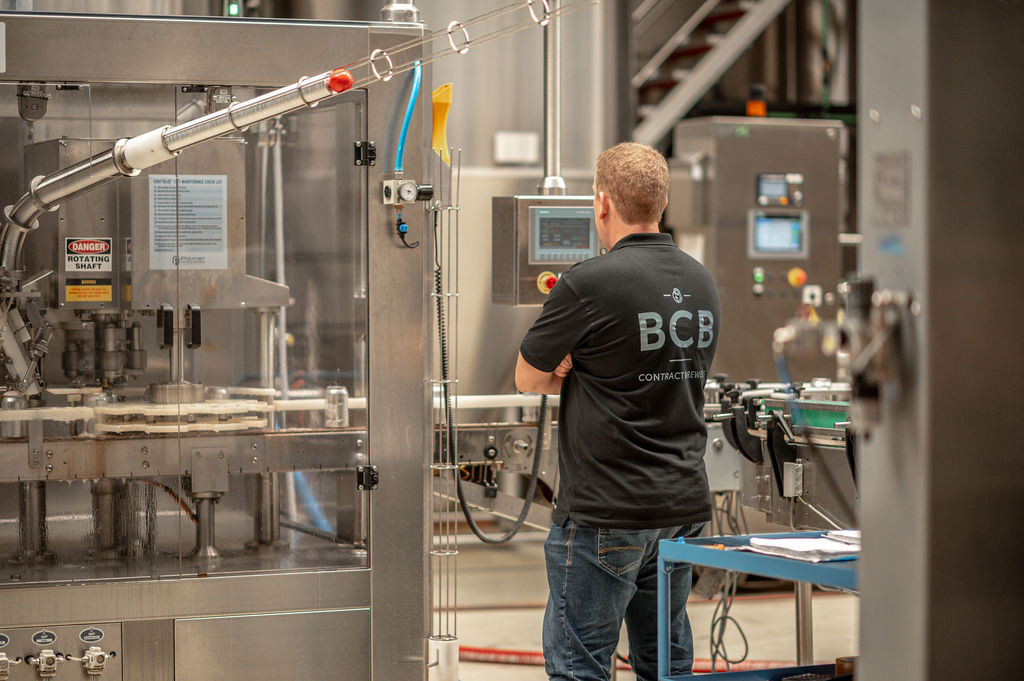
There are broadly two approaches: preventing alcohol formation or removing the alcohol afterwards. Here are the four most effective methods:

In the world of alcohol-free beer, vacuum distillation is a true gamechanger.
Normally, alcohol boils at 78°C, a temperature that would destroy the subtle aromas of beer.
By using a vacuum, we significantly lower the boiling point of alcohol (sometimes down to 30°C).
This makes it possible to remove the alcohol from the beer while preserving the volatile aromas and the body of the beer as much as possible.
The result is a beer that remains surprisingly close to the original.

This technique originates from water treatment but has now become a powerful tool for top breweries. During reverse osmosis, the beer is pushed under high pressure through an extremely fine membrane. This membrane only allows water and alcohol to pass through, while the larger flavor molecules, proteins, and color compounds remain in a concentrate.
After removing the alcohol from the mixture, the concentrate is recombined with demineralized water. It is an extremely precise method that ensures a pure and stable final product.

These are classic methods that have seen a modern revival thanks to refined control mechanisms.
Stopped fermentation: The fermentation process is abruptly halted by rapidly cooling the beer as soon as the desired alcohol level (e.g. 0.3%) is reached.
Cold fermentation: By fermenting at an extremely low temperature, the yeast works very slowly and produces hardly any alcohol, but does produce the desired carbonation and light fermentation aromas.
These techniques rely on a deep understanding of the fermentation process and perfectly timed interventions by the brewmaster.

One of the most natural ways to produce alcohol-free beer is by using “lazy” yeasts.
These are specific yeast strains, such as maltose-negative yeasts, that are simply not capable
of converting the most common sugars in wort (maltose) into alcohol.
Crabtree-negative yeasts are also used; they reduce alcohol production in oxygen-rich environments. These yeasts do produce the typical beer flavors, but leave the sugars untouched, which naturally keeps the alcohol level very low.
January is traditionally the month when consumers massively take a break from alcohol. Although Dry January and Tournée Minérale are often grouped together, they are two different campaigns with their own audience.
For a brewer, this means a huge spike in demand for 0.0% beers. At BCB, we not only help you brew, but also plan. To be on the shelves in January, production and bottling must be strategically scheduled several months in advance.
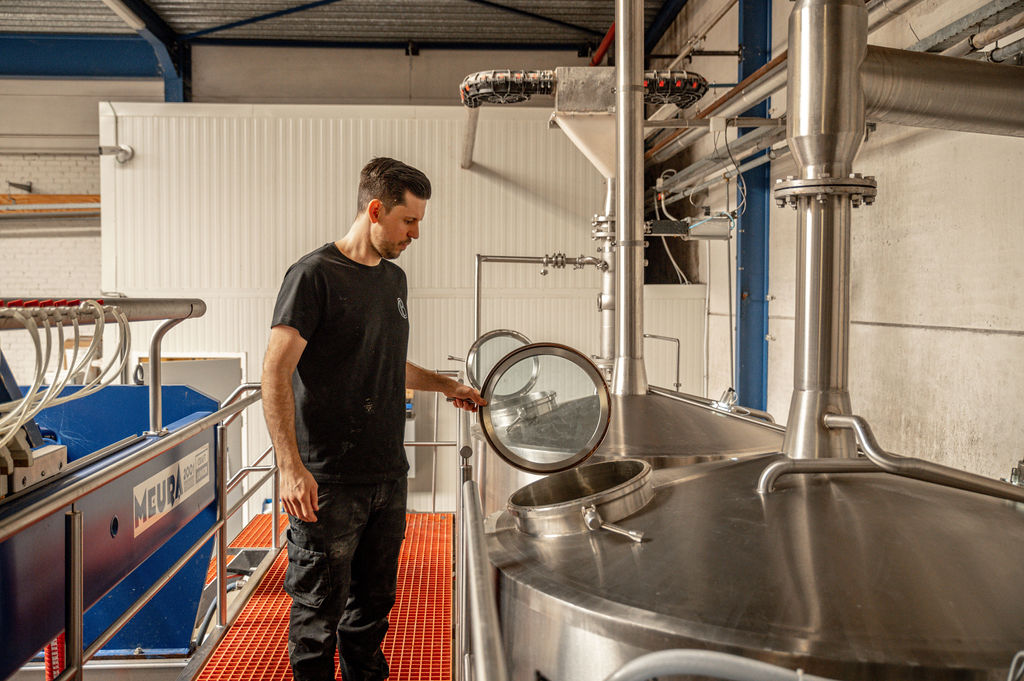
Do you dream of launching your own alcohol-free beer brand or expanding your existing range? At Belgian Contract Brewery, we act as your creative laboratory.
Recipe development: Test different techniques in our lab. Flexibility: We brew both small and large batches. Quality: Our certifications guarantee a stable and safe product.
