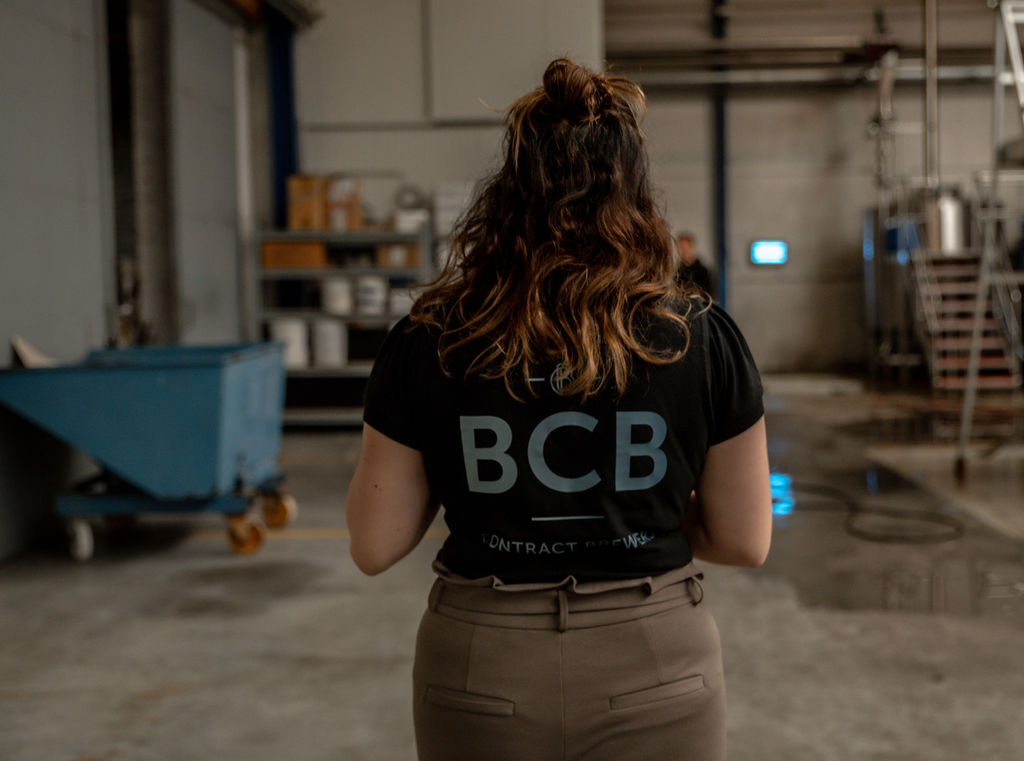
The craft beer market is evolving fast, and canning has become an essential lever to stand out, reach new consumers and respond to modern logistical constraints. Traditional bottles keep their place, but cans offer undeniable practical and marketing advantages. A successful switch does require a well-considered, structured approach to guarantee product quality and brand consistency.
We brew, can and bottle your beer without limits.
Making the switch to cans: the complete guide for craft breweries
The logistical and marketing advantages of cans
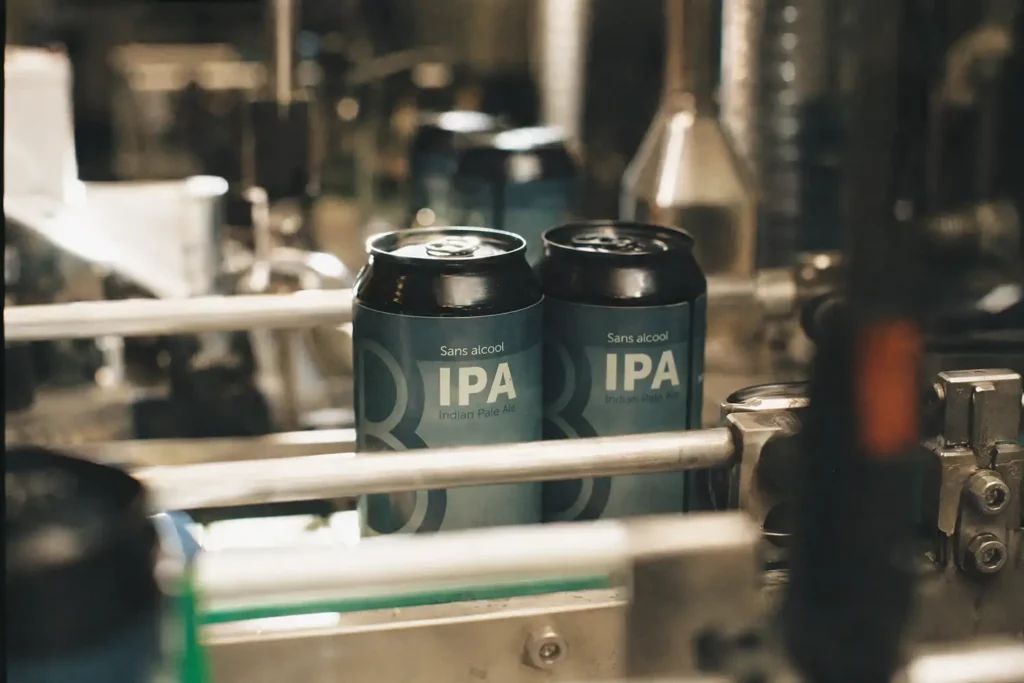
Cans offer craft breweries several strategic advantages. They are lighter and less fragile than glass, which makes transport easier and lowers logistics costs. They also protect better against light and oxygen, so the aromas and freshness of the beer last longer. From a marketing point of view, the smooth surface of the can offers more graphic creativity and a strong visual identity, reinforcing brand recognition and impact on the shelf. Finally, cans fit perfectly with new consumption patterns, such as festivals, outdoor events and takeaway sales.
The technical challenges of switching to cans
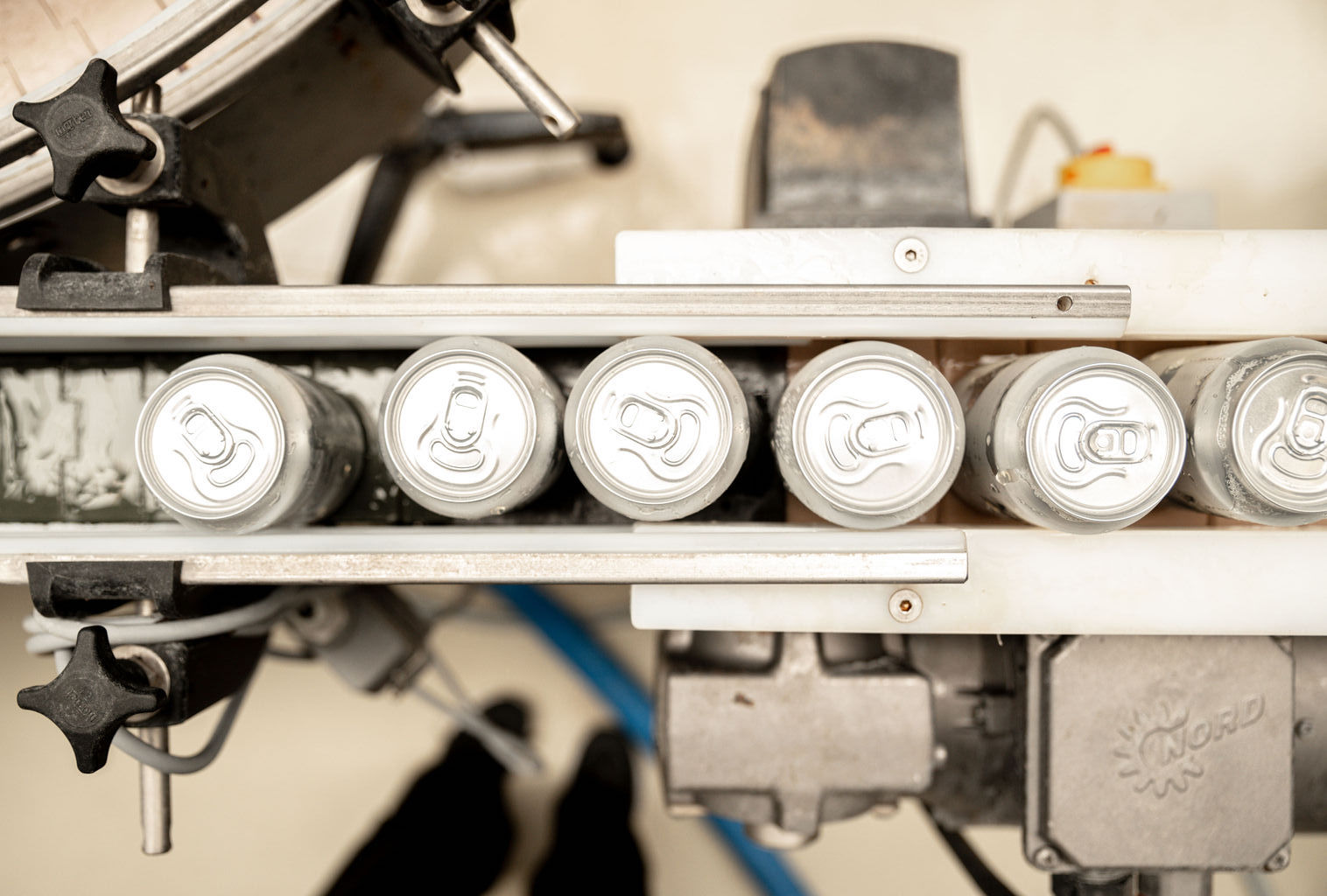
Although canning offers many advantages, it also brings technical constraints. The quality of the double seam, consistent filling and control of dissolved oxygen are essential to guarantee optimal shelf life and avoid any off-flavours. In addition, some production lines require specific calibration to control volumes and pressures. Breweries must therefore include these parameters in their planning, or risk compromising the stability of their beers and the consumer experience.
Adapting production and logistics
Switching to cans also means adjusting production, stock management and distribution. Volumes need to be planned precisely to meet demand while avoiding overstock. Storage and transport require suitable solutions, because although cans are compact, they can still create specific logistical demands. Outsourcing this switch or having it supported by a specialised partner can make the transition easier, with modular production capacity and careful monitoring of every step.
Innovating and expanding your range
Canning allows breweries to offer limited editions, seasonal ranges or collaborations while keeping operational flexibility. Testing new recipes or beer lines in cans can be less risky than adapting your entire in-house production, because volumes can be matched to market demand. The format also stimulates marketing creativity and experimentation, with an eye-catching visual medium for every launch.
Why choose Belgian Contract Brewery (BCB) for your switch to cans?
Switching to cans can be a major step for a brewery, but investing in your own filling line does not always make sense, especially when it comes to testing the market, producing one-off runs or meeting rising demand. Working with a contract brewery then gives access to professional equipment and technical expertise, without having to carry the investment, maintenance and operational complexity of filling on your own.
That is exactly where BCB supports craft breweries. As a specialist in contract brewing and filling, BCB masters the entire process, from brewing the beer to the finished product in a can. The essential parameters of canning are built in: consistent filling, a double seam that is checked down to the micrometre, extremely low oxygen pick-up and thorough quality controls that keep your beer tasting fresh for longer, also in a can.
That mastery also shows in the formats. BCB packs in 33 standard formats, and is not limited to them: slim, sleek and standard cans from 15 to 50 cl, bottles from around 20 cl up to 150 cl magnums, and all common kegs, including washing and refilling steel kegs. A single production run can also be split across cans, bottles and kegs at the same time, so one brew can serve several channels.
With flexible production from 12 hL and an integrated filling line, you match volumes to the real needs of your project. This lets you test a recipe in cans in a controlled run, launch a limited edition, develop a collaboration or increase your volumes, without tying up your own production capacity.
For a brewery that wants to make the move to cans, the challenge is as much technical as it is economic and organisational. With a partner like BCB, you benefit from high-performance industrial facilities, flexible volumes and specialised know-how, while keeping control of your recipe, your identity and your positioning. The switch to cans then becomes not an extra constraint, but a real lever to expand your range, test new markets and grow your business.
As a matter of principle, BCB never discloses the names of its clients or the details of their recipes. This discretion is an integral part of our partnership and an essential commitment to confidentiality.
Want to discuss your canning project? Get in touch with the BCB team.
In short: cans are lighter and less fragile than glass, protect better against light and oxygen and offer plenty of room for a strong visual brand identity. A successful switch requires attention to the double seam, consistent filling and control of dissolved oxygen. BCB fills from 12 hL in 33 standard formats, from slim, sleek and standard cans (15 to 50 cl) to bottles up to magnum (150 cl) and all kegs, on an integrated filling line, so you do not need to invest in a filling line yourself.
Frequently asked questions
Why switch from bottles to cans?
Cans are lighter and less fragile, which makes transport and logistics easier. They protect your beer better against light and oxygen and offer a large printable surface for a strong brand identity.
What should you watch out for when canning?
The quality of the double seam, consistent filling and control of dissolved oxygen determine shelf life and taste. Some lines also require specific calibration for volumes and pressures.
Do you need to invest in your own filling line to switch to cans?
Not necessarily. A contract brewery like BCB fills your beer from 12 hL on an integrated line, in 33 standard formats, so you can test or launch cans without a filling line of your own.